

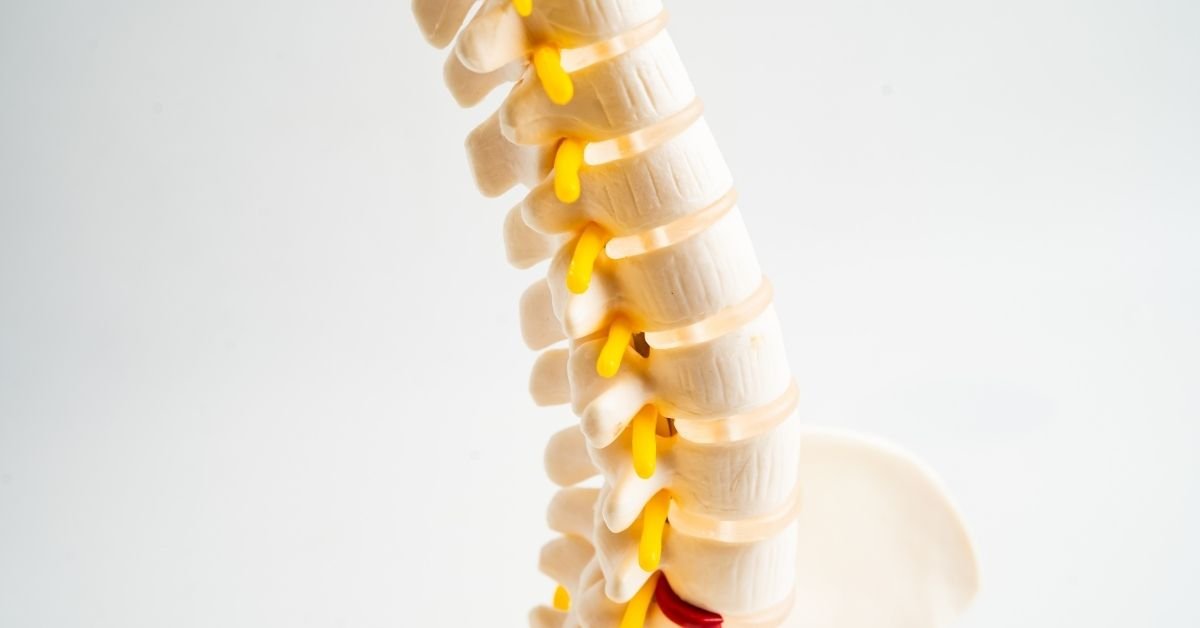
When a patient walks into our office with a diagnosed herniated disc, one of the first questions they ask is what the treatment is actually going to feel like from their side of the experience. Not what it does at the tissue level, though that matters too. What they want to know is more practical: when will I feel better, will I feel worse first, what will I notice at each stage, and how do I know it is working.
The answer to these questions has a fairly predictable shape. A course of spinal decompression for a herniated disc follows a recognizable pattern from session one through session twenty-eight, with certain milestones showing up at roughly the same points in the timeline for most patients. Understanding that pattern in advance makes the treatment easier to commit to and easier to interpret as you move through it.
At Citrin Chiropractic Center in St. Louis, we walk every herniated disc patient through this timeline at the initial evaluation, and this article covers the same ground in more detail. What follows is a session-by-session walkthrough of what happens to your herniated disc, what you will likely experience, and what to watch for at each stage.
How a Herniated Disc Actually Responds to Decompression
Before walking through the sessions themselves, it helps to understand what is actually happening at the disc level, because that determines what you will feel and when. A herniated disc is a disc whose outer wall has torn, allowing the inner gel-like material to push through the tear and press on nearby structures, most often a nerve root. That pressure is what produces the pain, numbness, weakness, or radiating symptoms that brought you in.
Spinal decompression works on a herniated disc through two mechanisms. First, controlled traction creates negative pressure inside the disc space, which pulls extruded material back toward its normal position over repeated sessions. Second, the improved space and reduced pressure allow fluid and nutrients to flow into the disc, supporting the tissue’s own repair processes. Both mechanisms take time. Neither works after one or two sessions. Both build steadily across the full protocol.
Because these changes are gradual and cumulative, symptom improvement is also gradual and cumulative. Patients who understand this stay the course through the treatment. Patients who expect dramatic overnight improvement often become frustrated at the wrong moments and consider stopping just before their results would have started to build.
Before Session 1: The Initial Evaluation
Every herniated disc treatment starts with an evaluation, not a session. The evaluation determines whether decompression is genuinely the right treatment for your specific disc problem, screens for the medical conditions that would make it inappropriate, establishes your baseline symptoms and function, and sets expectations for what the protocol will look like. The evaluation takes about an hour and includes detailed history, physical examination with orthopedic and neurological testing, and review of any imaging you have. If additional imaging is needed to confirm the diagnosis, we arrange it before treatment starts.
By the end of the initial evaluation, you will know whether you are a candidate, what the treatment plan looks like, how many sessions to expect, what the total cost will be, and what your specific herniated disc is likely to respond like. See our overview of who is not a candidate for spinal decompression for what the screening rules out.
Introducing the Disc to Controlled Traction
What is happening at the disc level
The first four sessions are the introductory phase. Your body is learning to accept the decompressive stretch without triggering muscle guarding, and the disc is receiving its first controlled traction cycles. The initial force parameters are conservative, so we are not yet at the treatment intensity that will produce the biggest changes.
What you will likely notice
- Mild soreness in the first day or two after your first session, similar to the day after an unfamiliar workout
- Some patients notice early symptom relief in this window; others do not, and both patterns are normal
- Occasionally, a temporary increase in symptoms that settles as the body adapts
- The sensation on the table becomes familiar and comfortable by session three or four
What the physician is monitoring
Your response to the initial force levels, whether symptoms are worsening (which would trigger a protocol modification), whether the muscle guarding response is being triggered, and how well your specific tissue is tolerating the introduction of decompression.
Between sessions
Basic care: stay hydrated (disc tissue depends on hydration for repair), avoid activities that clearly aggravate symptoms, use ice for any post-session soreness, and continue any home program your physician has given you.
Early Disc Changes Begin
What is happening at the disc level
Force parameters have typically been adjusted to their working range by this phase. The disc is receiving consistent decompressive stimulus, and early changes are beginning: improved nutrient flow into the disc, small reductions in the pressure on the herniated material, and beginning displacement of the extruded disc material back toward its normal position.
What you will likely notice
- Baseline pain often begins to decrease measurably in this window
- Sleep quality frequently improves as pain becomes more manageable
- Radiating symptoms (numbness, tingling, pain traveling into arm or leg) may reduce in intensity or distance
- Some patients experience a temporary flare mid-way through this phase that settles as treatment continues, this is normal and does not indicate the treatment is failing
- You will start to feel like the treatment is doing something rather than just something you are doing
What the physician is monitoring
Response patterns, appropriate progression of force parameters, whether radiating symptoms are reducing in the expected pattern (proximally, meaning the pain retreats toward the spine before disappearing completely), and any signs that would warrant protocol modification.
Between sessions
Continue the home program. Introduce or continue any prescribed exercises. This is often when we add chiropractic adjustment to complement the decompression, addressing the spinal segments that have become restricted around the injured disc.
Structural Reorganization Peaks
What is happening at the disc level
This is the phase where the most substantial changes occur. Herniated disc material continues to draw back toward its normal position, disc height stabilizes at improved levels, and pressure on nerve roots decreases meaningfully. The tissue is being remodeled through the cumulative effect of consistent treatment sessions.
What you will likely notice
- Substantial reduction in baseline pain compared to where you started
- Radiating symptoms often shrink in territory (pain that used to travel down to the foot may now only reach the calf, for example)
- Return of function you had lost, ability to sit longer, walk further, sleep in positions that were previously painful
- Reduced dependence on pain medication
- Occasional flares from certain activities, but recovery from those flares is faster than it used to be
- Some patients start feeling “back to normal” and are tempted to stop early — this is the most dangerous point in the protocol
What the physician is monitoring
Whether radiating symptoms are following the expected retreat pattern, whether function is returning as expected, and whether the disc appears to be stabilizing at the improved position or whether additional adjustments to the treatment plan are needed.
Between sessions
Active rehabilitation typically becomes more prominent in this phase. Core stabilization work, postural training, and specific strengthening exercises support the structural gains being achieved on the decompression table. Compliance with the home program matters more in this phase than any other.
Nerve Compression Resolution and Symptom Fading
What is happening at the disc level
The disc has undergone most of its structural change. Nerve root compression that was driving the radiating symptoms has substantially reduced. The tissue is now consolidating the changes that have been produced, and the surrounding musculature is adapting to the improved biomechanics.
What you will likely notice
- Radiating symptoms may resolve completely in this window, or reduce to only intermittent brief episodes
- Baseline back or neck pain is minimal or intermittent
- Return to most normal activities without symptom flares
- Improved strength in muscles that had been weakened by nerve compression
- Better postural awareness and control
- Sensation of general resilience, ability to handle daily demands that used to trigger symptoms
What the physician is monitoring
Confirmation that improvements are becoming stable rather than temporary, that any residual symptoms are following an expected pattern, and preparation for the transition to the consolidation phase.
Between sessions
Home program continues in full. This is often when patients start to feel completely well and become tempted to skip sessions or stop early. This is exactly what not to do, the tail of the protocol is where results become durable rather than temporary.
Locking In Results — The Consolidation Phase
What is happening at the disc level
The final phase focuses on making the tissue changes permanent rather than temporary. Session frequency typically reduces (from three-to-five per week to two-to-three per week), the emphasis shifts from active treatment to reinforcing the improvements, and the transition to maintenance care begins.
What you will likely notice
- Symptoms are minimal or absent for most patients at this stage
- Sessions feel less “necessary” than they did earlier
- Focus of care shifts to preventing recurrence and maintaining gains
- Discussion of long-term maintenance care and home habits
- The end of the protocol is in sight
What the physician is monitoring
Stability of the improvements, whether the tissue changes are holding without frequent intervention, and readiness to transition to a maintenance schedule.
Between sessions
Establishing the long-term home program you will follow after treatment ends. This includes ongoing strengthening exercises, postural habits, and body mechanics awareness. The gains from decompression treatment are protected far more effectively by consistent home care than by occasional office visits alone.
After Session 28: What Comes Next
Completing a full 20 to 28 session decompression protocol does not mean the relationship with the treatment ends. Most patients transition to some level of periodic maintenance care that keeps the disc problem from recurring. Typical schedules range from monthly visits (for patients with more complex underlying conditions or higher-demand lifestyles) to quarterly check-ins (for patients whose case was straightforward and who maintain good home habits).
For patients whose herniated disc came from an auto accident, the transition from active treatment to maintenance is often coordinated with the resolution of the personal injury case. Our auto accident treatment approach integrates decompression with the full accident recovery plan, and the insurance coverage guide walks through how MedPay applies. For patients whose herniation stems from other causes, the transition is straightforward and driven by how the specific case is progressing.
The pattern to remember: most herniated disc patients who complete a full decompression protocol maintain their improvements for years. Patients who stop the protocol early frequently see their symptoms return within months and end up needing to restart treatment. Finishing what you start is the single most important patient decision in this entire process.
When to Worry — and When Not To
Not every uncomfortable sensation during a decompression protocol means something is wrong. Some responses are normal and expected; others warrant reporting to the office. Here is how to tell the difference.
Normal responses that do not indicate a problem
Mild soreness in the first few sessions, brief periods of increased symptoms that settle within a day or two, occasional flare-ups triggered by specific activities during treatment, and slower progress than you had hoped for in the first few weeks. These are within the expected range of treatment response.
Concerning responses that warrant a call to the office
Significantly worsening pain that does not settle, new numbness or weakness that was not present before treatment, loss of bowel or bladder control (this is a medical emergency, seek immediate care), pain radiating into new areas that were not affected before, and progressive symptoms rather than fluctuating ones. These warrant reassessment.
What To Do Between Sessions to Support Your Progress
What happens outside the treatment room matters as much as what happens on the decompression table. Patients who follow the between-session guidance consistently see better and faster results than patients who treat the office visits as the whole picture. Practical guidance includes:
- Stay well-hydrated, disc tissue depends on hydration to accept the nutrient exchange that decompression facilitates
- Do your prescribed exercises consistently, not perfectly, but consistently
- Sleep on a supportive mattress in positions that do not aggravate the disc
- Modify activities that clearly worsen symptoms during the treatment window
- Avoid heavy lifting, twisting under load, or high-impact activities until the physician clears them
- Manage stress and sleep, tissue healing is significantly slower when either is compromised
- Follow up promptly with any concerning symptoms rather than waiting for the next session
For patients whose disc problem is accompanied by significant muscle guarding or fascial restriction, medical massage therapy integrates well with the decompression protocol and often accelerates progress. For patients with related nerve involvement or lower back complications, our back pain treatment and sciatica care integrate with the decompression plan seamlessly. For deeper background on the disc pathology itself, see our disc injury treatment overview.
Serving St. Louis and Surrounding Suburbs
Our office serves herniated disc patients from across the St. Louis metro, including from Florissant, Clayton, Maryland Heights, University City, Ferguson, and beyond. Bilingual English and Spanish care is available at every visit. Same-day appointments are the standard for new patient evaluations.
Frequently Asked Questions
How many sessions of spinal decompression do you need for a herniated disc?
A typical herniated disc protocol runs 20 to 28 sessions delivered over four to eight weeks. Milder herniations may need the lower end of that range, larger or longstanding herniations may need the higher end. The number reflects what disc tissue actually requires to change structurally, not marketing convention.
When will I start feeling better from spinal decompression for my herniated disc?
Some patients notice symptom improvement within the first few sessions. More typically, meaningful improvement becomes clear in sessions five to ten as early disc changes begin. Substantial relief usually builds through sessions eleven to seventeen. Judging results from just a handful of sessions is not enough to know whether the treatment is working for you.
Can decompression really pull a herniated disc back into place?
Not in the dramatic sense some marketing suggests, but yes in a real clinical sense. The negative pressure created inside the disc space by controlled traction, applied cyclically over the full treatment protocol, does draw extruded disc material back toward its normal position and can substantially reduce nerve compression. This is the mechanism that produces the symptom improvement patients experience.
Will I feel worse before I feel better?
Sometimes. Mild soreness in the first few sessions is common. A temporary symptom flare mid-way through the protocol occurs in a subset of patients and typically settles as treatment continues. Progressive worsening or new neurological symptoms, on the other hand, warrant reassessment rather than continuing through them.
Can I stop decompression treatment if I feel better before finishing?
You can stop, but you probably should not. The tail of the protocol, sessions 18 to 28, is where the tissue changes become durable rather than temporary. Patients who stop as soon as pain resolves often see their symptoms return within months and end up restarting treatment from a compromised baseline. Finishing the protocol you start is the single best predictor of long-term outcomes.
What if my herniated disc does not respond to decompression?
A minority of patients do not achieve full resolution with decompression alone. In these cases we reassess: is the initial diagnosis correct, is there a component of the problem that decompression cannot address, would additional targeted treatment help, or is surgical consultation now appropriate. Honest reassessment produces better outcomes than continuing indefinitely with a protocol that is not producing results.
Can I get spinal decompression for a herniated disc in my neck?
Yes. Cervical decompression uses the same underlying principles as lumbar decompression, adapted for the anatomy of the neck. Herniated discs in the cervical spine often respond well to appropriately delivered decompression, particularly when accompanied by radiating symptoms into the arm.
Should I try decompression before back surgery for a herniated disc?
For most contained herniations without progressive neurological deficits, yes. Decompression is reversible, has a substantially better risk profile than surgery, costs a fraction of what surgery costs, and, when successful, can eliminate the need for surgery entirely. If decompression does not work, surgery remains an option. See our full comparison of decompression vs back surgery for the detailed picture.