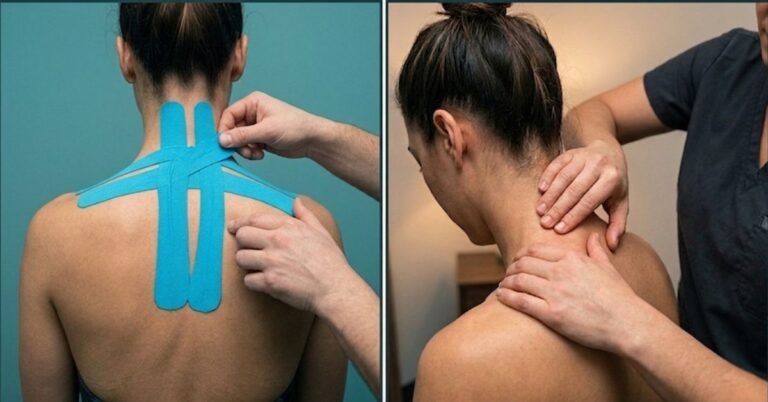

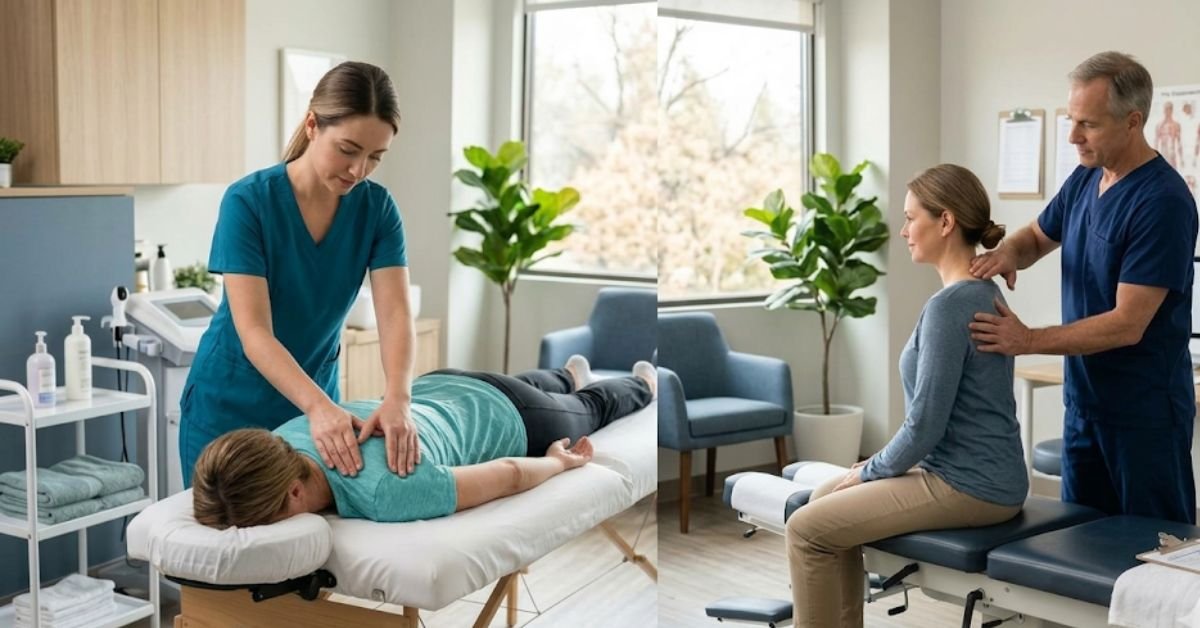
People searching for “chiropractic massage” are often looking for two types of care at the same clinic: hands-on work for tense muscles and chiropractic treatment for joint or movement-related complaints. The phrase can be confusing, because massage therapy and chiropractic adjustments are different treatments, even when they are part of the same musculoskeletal care plan.
At Citrin Chiropractic Center in St. Louis, patients can discuss both therapeutic massage and chiropractic adjustments. For some people, combining approaches is reasonable; for others, one service—or a different form of care—may be more appropriate. The decision should follow an evaluation rather than an assumption that every patient needs both.
What Is Chiropractic Massage?
“Chiropractic massage” is not a single standardized medical technique. People commonly use it to mean therapeutic massage offered in a chiropractic setting, or a care plan that involves both massage and chiropractic treatment.
Massage therapists generally focus on soft tissues such as muscles and connective tissue. Chiropractors evaluate musculoskeletal complaints and may use adjustments, mobilization, exercise guidance, and other conservative approaches for appropriate conditions. These roles can complement one another, but they are not interchangeable.
Useful distinction: Massage primarily addresses soft-tissue comfort and mobility. Chiropractic assessment may address joint movement and other musculoskeletal findings. Combining them is an option, not a requirement.
Massage Therapy vs Chiropractic Adjustment: Different Jobs
Massage therapy involves the use of hands-on techniques such as kneading, pressure, stretching and targeted soft-tissue work. Depending on the patient’s condition, its goals may include reducing muscular tension, improving comfort or supporting movement.
A chiropractic adjustment applies a controlled force to a joint, with the specific technique and amount of force chosen by the provider. Not every patient needs a thrust-based adjustment; lower-force techniques or other care may be more appropriate. Evidence for spinal manipulation varies by condition, and improvements are not guaranteed.
| Feature | Therapeutic Massage | Chiropractic Care |
|---|---|---|
| Primary focus | Muscles and other soft tissues | Musculoskeletal evaluation and selected joint/movement treatment |
| Typical methods | Deep tissue, myofascial, trigger point and stretching techniques | Adjustments, mobilization and movement-focused care |
| Possible goal | Reduce tissue sensitivity or tension | Address relevant movement restrictions or pain-related function |
| Best starting point | Soft-tissue assessment | History and physical examination |
| Can be combined? | Yes, when appropriate | Yes, when appropriate |
Why Massage and Adjustments Are Sometimes Used Together
Muscle tension and limited joint movement sometimes coexist. For example, someone with prolonged desk-work neck discomfort may have tender upper-back muscles along with reduced comfortable neck motion. One intervention might target soft-tissue tenderness, while another addresses movement limitations.
However, using two interventions does not necessarily produce better outcomes than one well-chosen treatment. Clear goals are important: less pain when turning the head, better tolerance for normal activity, or improved comfort during rehabilitation. The treatment plan should be modified if those goals are not being met.
Which Symptoms Might Lead to a Combined Plan?
Selected patients with mechanical neck or back discomfort, muscle guarding, postural strain or certain sports-related symptoms may discuss a plan that includes manual therapy and exercise. Someone recovering from an auto accident may also have musculoskeletal injuries that require coordinated care, but potentially serious injuries must first be assessed.
At Citrin, the condition-specific services include neck pain care, back pain care, sports injury treatment and post-accident musculoskeletal evaluation. Whether massage or an adjustment fits depends on the findings.
Should Massage Come Before or After a Chiropractic Adjustment?
There is no universal order that works best for every person. Some providers choose soft-tissue work before an adjustment to address muscle guarding or help the patient relax. Others prefer massage afterward for comfort or schedule the treatments separately.
The appropriate sequence depends on the condition, the patient’s tolerance, the intensity of the massage, the planned adjustment, and how the patient responds to care. A provider should explain the rationale rather than promise that a particular order will make an adjustment “hold longer.”
One common misconception
Massage does not need to be painful to be effective, and an adjustment does not require a massage first. Neither treatment should be forced just because a combined appointment is available.
What Types of Massage May Be Used?
Citrin’s massage offerings include several techniques that can be selected based on patient needs. The specific approach may involve deep tissue work for localized muscular tightness, myofascial release for soft-tissue restrictions, or trigger-point techniques for certain tender muscle areas.
These are not all the same treatment. The recent medical massage vs deep tissue massage comparison explains the difference between a clinical treatment goal and a particular massage technique. This article focuses instead on how massage can be coordinated with chiropractic care.
Can You Combine Massage and Chiropractic Care on the Same Day?
In some cases, yes. Same-day scheduling can be convenient, but there is no need to combine therapies solely for convenience. A clinician may recommend separate appointments, gentler methods, or no manual treatment when symptoms are acute or a condition has not yet been assessed.
During scheduling, ask which service is being booked, how long the appointment will last, and whether the massage therapist and chiropractor will coordinate the treatment plan. Citrin’s new patient information provides a helpful starting point for preparing for an evaluation.
When a Combined Treatment Plan May Not Be Suitable
Manual therapy may be inappropriate or need modification when there is suspected fracture, serious recent trauma, infection, unexplained severe symptoms, significant neurological deficit or other relevant contraindications. Deep pressure may also be unsuitable for patients with certain bleeding disorders, those taking anticoagulants, or those with fragile or injured skin.
New or progressive weakness, changes in walking, or bowel/bladder changes need prompt medical assessment. A patient with these symptoms should not rely on massage or adjustments as a substitute for evaluation.
What Results Should Patients Expect?
Some patients report better comfort or movement after a session, while others need a longer course of rehabilitation or a different treatment. The research supporting massage and spinal manipulation varies across conditions; neither can guarantee permanent pain relief or prevent recurrence.
Useful measures of progress include how well a patient sleeps, how far they can turn their neck, whether they tolerate work and exercise, and whether their symptoms are becoming less disruptive. Exercises, activity changes and other self-management steps often remain important.
How to Prepare for Your Visit
- Describe where the pain or tightness occurs and what activities affect it.
- Tell the clinician about any numbness, weakness, headaches or recent accidents.
- Bring relevant medical history, medications and prior imaging reports.
- Ask what each proposed treatment is intended to accomplish.
- Discuss pressure preference and any discomfort during massage.
- Ask how progress will be assessed and when referral would be appropriate.
Chiropractic Massage in the St. Louis Area
Citrin Chiropractic Center is located at 10035 Page Avenue, St. Louis, MO 63132, serving patients from St. Louis and neighboring communities including Overland, Maryland Heights, University City, Clayton, Hazelwood and Florissant. Patients can call the office to ask about available chiropractic and massage appointments and plan-specific insurance benefits.
Frequently Asked Questions
What is chiropractic massage?
It usually means therapeutic massage offered in a chiropractic clinic or a treatment plan that includes both massage and chiropractic care. It is not one standardized treatment method.
Is chiropractic massage different from regular massage?
In a chiropractic setting, massage may be coordinated with a musculoskeletal treatment plan. The specific hands-on techniques can overlap with those used in other massage settings.
Is massage better before or after a chiropractic adjustment?
There is no universally best order. The sequence depends on the condition, treatment goals, tolerance and provider’s clinical judgment.
Can I receive massage and chiropractic care on the same day?
Sometimes. Ask the office about scheduling and whether both services are appropriate for your symptoms.
Does a massage make an adjustment last longer?
There is no reliable general guarantee that massage makes adjustments “hold” for a certain period. Treatment should be based on function, symptom response and clinical need rather than that claim.
Can both help with neck and back pain?
For selected patients, conservative manual care may help some forms of musculoskeletal pain, but the evidence and response vary by condition. Assessment and exercise or rehabilitation may also be important.
Does health insurance cover both services?
Coverage depends on the plan, diagnosis, provider credentials, billing and the exact service. Chiropractic and massage benefits may differ, so verify both before assuming coverage.
Where is Citrin Chiropractic located?
10035 Page Avenue, St. Louis, MO 63132. Call (314) 890-2400 to discuss appointment availability.