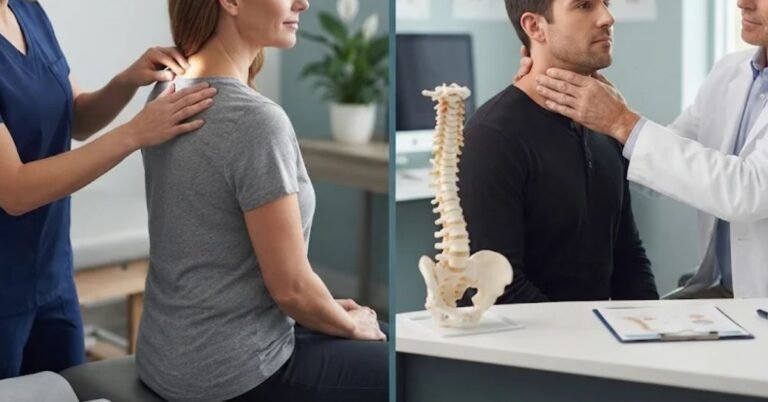

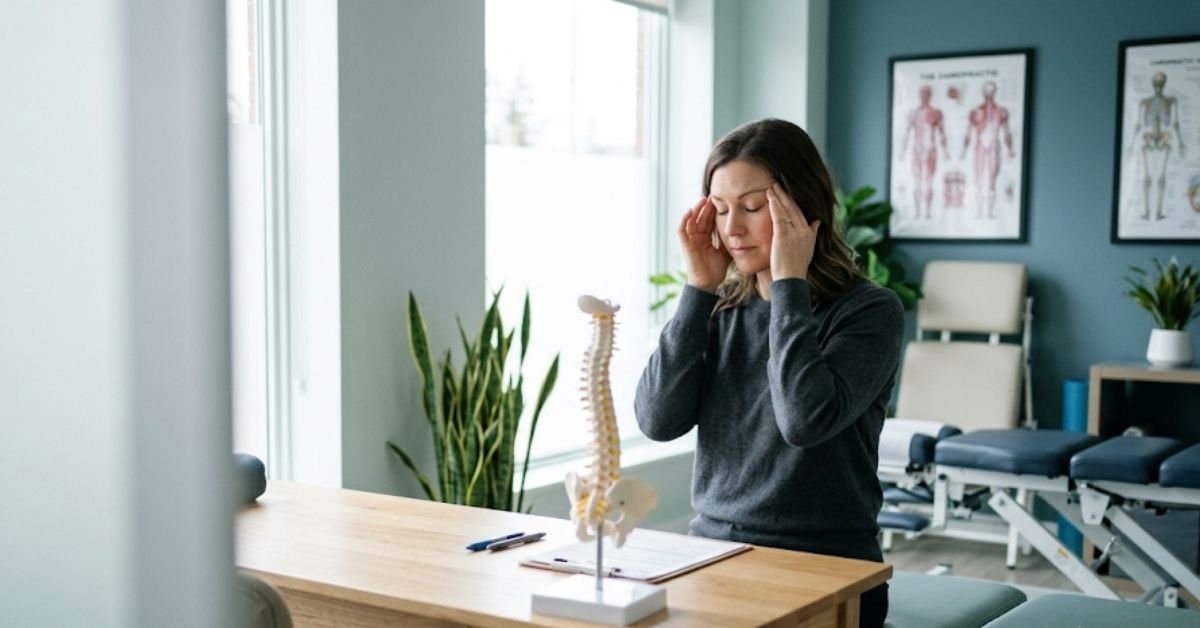
When you feel a dull, tight ache wrapping around your forehead and the back of your skull, your first instinct might be to reach for over-the-counter pain medication. However, many people find that the true source of this pain isn’t inside their head—it originates from chronic tension in the neck, shoulders, and upper back.
If you are struggling with a persistent tight-band sensation around your head, utilizing massage for tension headaches can be a highly effective conservative treatment. By targeting the muscular root causes, patients can often find lasting relief.
At Citrin Chiropractic Center, our headache and migraine treatment plans often combine clinical soft-tissue therapy with chiropractic care to address the complex relationship between your joints, nerves, and muscles.
What Is a Tension Headache?
A tension-type headache is the most common type of headache among adults. Unlike a migraine, which often involves throbbing pain, light sensitivity, and nausea, a tension headache typically produces a steady, dull ache.
Patients frequently describe it as feeling like a tight band or vice gripping their forehead, temples, and the back of their head. These headaches can last for 30 minutes or linger for several days, and they are heavily influenced by stress, fatigue, and posture.
How Neck and Shoulder Muscles Can Contribute
Your head weighs roughly 10 to 11 pounds. When you practice poor posture—such as leaning forward over a computer or looking down at a phone—the effective weight of your head increases drastically. This forces the muscles of your neck and upper back to work overtime to hold your head up.
This chronic strain often leads to tight, shortened muscles and trigger points (knots) that radiate pain upward into the skull. The most common muscular culprits include:
- Suboccipital muscles: A group of small muscles at the base of your skull that can refer pain behind the eyes or across the forehead.
- Upper Trapezius: The large muscles spanning your neck and shoulders, known for developing significant knots that refer pain into the temples.
- Sternocleidomastoid (SCM): The muscles on the sides of your neck that, when tight, can cause deep forehead pain or earaches.
The anatomical connection: Pain felt in your head is often “referred pain” triggered by hyper-tense muscle fibers in the neck and shoulders.
Where Massage May Help
Applying a focused headache massage or clinical soft-tissue therapy directly to the affected muscles can help interrupt the pain cycle. Clinical massage goes beyond simple relaxation to address specific fascial restrictions and trigger points.
Our licensed therapists at Citrin Chiropractic provide targeted massage therapy in St. Louis, using techniques like deep tissue pressure, myofascial release, and trigger-point therapy to:
- Release localized muscle spasms in the suboccipitals and upper back.
- Improve blood flow and oxygenation to restricted tissues.
- Deactivate trigger points that refer pain upward into the head.
- Reduce the overall physiological stress response, which is a major trigger for tension headaches.
Massage vs Chiropractic for Headache Patterns
Both massage and chiropractic care are highly effective for headaches, but they target different structural tissues.
| Treatment | Primary Focus | How It Helps Headaches |
|---|---|---|
| Massage Therapy | Soft tissues (muscles, tendons, fascia) | Releases muscle tension, breaks down scar tissue, and deactivates trigger points referring pain to the head. |
| Chiropractic Adjustments | Joints and the nervous system | Restores proper cervical spine (neck) alignment, relieving pressure on irritated nerves that travel up into the skull. |
Because muscles attach to bones, treating only one aspect often yields temporary results. For example, if a restricted cervical joint is the true cause of a headache, we call that a cervicogenic headache. In this scenario, massage will feel great temporarily, but the headache will return until the underlying joint dysfunction is corrected with chiropractic care.
A common mistake
Treating only the muscle while ignoring the joint. Tight muscles can pull the cervical spine out of alignment, and a misaligned cervical spine will force muscles to chronically spasm to protect the area. They must often be treated together.
When a Headache Needs Medical Evaluation
While most headaches are related to tension, stress, or musculoskeletal issues, some symptoms indicate a need for immediate emergency medical evaluation. You should seek emergency care if you experience:
- A “thunderclap” headache that peaks in severity within seconds or minutes.
- A headache accompanied by neurological symptoms (slurred speech, confusion, facial drooping, severe weakness).
- A new, severe headache accompanied by a fever and stiff neck.
- Headaches that appear suddenly following a head trauma.
If serious medical conditions have been ruled out, conservative care focusing on the cervical spine and surrounding musculature is an excellent next step.
What a Combined Care Plan May Look Like
If you are searching for an effective massage for headaches, Citrin Chiropractic Center approaches the problem comprehensively. After a thorough examination to determine the root cause of your pain, a coordinated care plan may involve:
- Targeted Medical Massage: To release the immediate muscle guarding and deactivate pain-referring trigger points.
- Chiropractic Neck Adjustments: To restore proper joint mobility in the cervical spine once the soft tissue has been relaxed.
- Postural Rehabilitation: Exercises and stretches to strengthen the deep neck flexors and correct the “forward head posture” that causes the tension in the first place.
Frequently Asked Questions
Can massage help tension headaches?
Yes. Clinical massage can directly target the tense neck and shoulder muscles, such as the upper trapezius and suboccipitals, which are frequent contributors to tension headaches.
Is massage good for cervicogenic headaches?
Massage is helpful for releasing the secondary muscle tension associated with a cervicogenic headache, but the primary treatment usually requires chiropractic adjustments to address the cervical joint dysfunction causing the pain.
How often should I get a massage for headaches?
Treatment frequency depends on the severity and chronicity of your headaches. A clinical evaluation will help determine a personalized schedule, which often begins more frequently and tapers off as the underlying posture and joint mechanics improve.
Can I get a chiropractic adjustment and massage on the same day?
Absolutely. In fact, receiving a clinical massage before a chiropractic adjustment helps relax the muscles, often making the spinal adjustment smoother, gentler, and more effective.