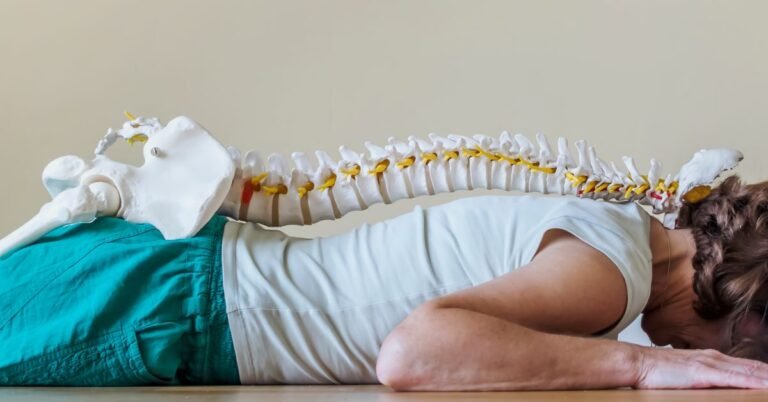


Can a chiropractor make a pinched nerve worse? In some circumstances, yes. Any hands-on treatment that is poorly matched to a patient’s condition could aggravate symptoms. That does not mean chiropractic care is automatically unsafe for everyone with a pinched nerve. It means the cause of the symptoms, neurological findings, medical history, and appropriate treatment options need to be evaluated before a technique is selected.
The phrase “pinched nerve” usually describes irritation or compression of a nerve, not a single diagnosis. A disc problem, narrowing around a spinal nerve, inflammation, or another condition may cause pain, tingling, numbness, or weakness. Some patients have neck symptoms that travel into an arm; others have lower-back symptoms radiating into a leg. The treatment plan should reflect those differences.
At Citrin Chiropractic Center in St. Louis, patients with neck, back, or nerve-related symptoms can discuss their concerns during a clinical evaluation. This article focuses specifically on safety, red flags, and when treatment should be modified or delayed. For the broader symptom overview, see Citrin’s pinched nerve in the neck or back guide.
What Happens When a Nerve Is Irritated?
Spinal nerves carry messages between the spinal cord and different areas of the body. When a nerve root is irritated, a person may feel pain beyond the neck or low back itself. Tingling, reduced sensation, altered reflexes, and muscle weakness can also occur. The exact pattern depends on which nerve is involved.
For example, cervical nerve-root irritation can cause neck and arm symptoms, while lumbar nerve-root irritation can cause leg symptoms sometimes described as sciatica. Not every shooting pain is a pinched nerve, however, and not every person with a disc bulge has nerve symptoms.
The safest starting point: Do not choose a treatment based only on a symptom label. A new neurological problem, a known disc condition, or a recent injury may change which methods are appropriate.
Can an Adjustment Actually Make a Pinched Nerve Worse?
Some patients experience temporary soreness or increased discomfort after spinal manipulation. In other cases, particularly where there is significant nerve compression, an unstable injury, or another contraindication, a particular technique may be unsuitable. Rare but serious adverse events following spinal manipulation have been reported; for neck manipulation, vascular complications are also an important part of informed risk discussion.
Safety depends on more than whether the person has been told they have a “pinched nerve.” Factors include the diagnosis, neurological examination, bone health, recent trauma, symptom severity, medications, and whether a patient is getting better or worse.
A qualified provider should be prepared to use a gentler method, choose exercise and rehabilitation instead, coordinate with a physician, or refer the patient for additional assessment. The aim is to improve function without exposing the patient to an unsuitable procedure.
Red Flags That Need Urgent Medical Evaluation
Some symptoms call for medical assessment rather than a routine chiropractic appointment. In particular, seek emergency care for new loss of bladder or bowel control, numbness around the groin or saddle area, severe or rapidly progressive leg weakness, or serious neurological symptoms after trauma. Sudden difficulty speaking, facial drooping, or loss of coordination may indicate a stroke and requires emergency services.
Do not wait for another adjustment
If weakness is progressing, walking is becoming difficult, or bowel/bladder function changes unexpectedly, seek urgent medical help. These symptoms should not be managed by simply increasing the number of treatments.
When Chiropractic Care May Be Appropriate
For some people with stable musculoskeletal pain and no red flags, a clinician may consider conservative care. Depending on the findings, this can include movement advice, selected manual therapy, rehabilitation exercises, and activity modification. A spinal adjustment is only one possible component.
Citrin offers chiropractic adjustment techniques and other conservative services, but the particular technique should be based on examination findings and patient preference. A patient with marked nerve symptoms may need a different approach from someone who primarily has muscular stiffness.
If the main complaint is neck pain radiating into the hand, Citrin’s neck pain care page provides service information. If symptoms travel from the lower back into a leg, the sciatica treatment page is a more relevant starting point.
How a Careful Evaluation Helps Reduce Risk
Before treatment, a clinician should ask where pain travels, whether symptoms are worsening, what activities change them, and whether the patient has experienced trauma or has relevant medical conditions. Examination may include strength, sensation, reflexes, movement and other tests chosen for the situation.
Imaging is not automatically needed for every pinched-nerve complaint. However, severe or progressive neurological findings, concerning medical history, or symptoms that do not follow the expected course can justify medical referral or additional testing. It is important to remember that standard X-rays do not directly show most disc or nerve-root injuries.
Which Treatment Is Appropriate for Which Situation?
| Situation | Why It Matters | Safer Next Step |
|---|---|---|
| Mild, stable symptoms without weakness | Some cases can be managed conservatively | Evaluation followed by an individualized plan |
| Tingling or pain that travels into an arm or leg | May indicate nerve-root irritation | Neurological assessment before technique selection |
| Symptoms become worse after treatment | Current treatment may need modification | Stop and contact the treating provider |
| Progressive weakness or trouble walking | May suggest significant neurological involvement | Prompt medical evaluation |
| New bowel/bladder dysfunction or saddle numbness | Possible spinal emergency | Emergency medical care |
| Significant trauma, fracture risk, or unstable condition | Manipulation may be inappropriate | Medical assessment and appropriate imaging/referral |
Does a Pinched Nerve Always Need an Adjustment?
No. Some nerve symptoms improve with time and an appropriate conservative plan, and not every case requires manipulation. Activity adjustments, graded movement, exercises, pain-management options and other rehabilitation measures may be appropriate. A provider should explain why a recommended treatment fits your diagnosis.
For certain disc-related symptoms, clinicians may discuss non-surgical spinal decompression as one option, but it is not suitable for everyone and its benefits are not guaranteed. Citrin’s decompression contraindications guide discusses why patient selection matters.
What if You Feel Worse After a Chiropractic Visit?
Temporary soreness or stiffness may occur after manual treatment, but persistent worsening pain, new numbness, new weakness, or other neurological changes should not be written off as routine soreness. Tell the treating provider promptly. If symptoms suggest an emergency, seek medical care immediately.
When the plan is not producing reasonable progress, the response should be reassessment rather than repeating the same procedure indefinitely. A change in treatment approach, imaging or specialist referral may be appropriate.
Questions to Ask Before Agreeing to Treatment
- What findings suggest the pain is nerve-related rather than muscular?
- Do I have weakness, altered reflexes or another neurological finding?
- Are there any reasons manipulation would be unsafe for me?
- Are lower-force techniques, exercise or referral better options?
- What changes should I report immediately?
- How will we measure progress and decide whether the plan needs to change?
Why Diagnosis Comes Before Technique
A spinal nerve problem can be caused by several different conditions. Even if two people describe identical tingling, they may need different next steps. A good examination helps determine whether chiropractic care falls within an appropriate plan or whether medical evaluation should come first.
This is also why Citrin’s existing first-visit guide emphasizes understanding symptoms and reviewing relevant health information before planning care.
Getting Evaluated in St. Louis
Citrin Chiropractic Center serves patients from St. Louis and surrounding communities, including Overland, Maryland Heights, Creve Coeur, University City, Ferguson, Hazelwood, Florissant and Clayton. The clinic is located at 10035 Page Avenue, St. Louis, MO 63132. Call to discuss appointment availability and any insurance questions.
Frequently Asked Questions
Can chiropractic treatment worsen a pinched nerve?
It can aggravate symptoms if the technique is not appropriate for the underlying condition. A thorough history and neurological assessment help determine whether manual therapy is appropriate or medical referral is needed.
Is it safe to get adjusted if I have tingling in my arm?
Tingling can have several causes, including nerve-root irritation. It should be evaluated before choosing a technique, especially if accompanied by weakness or worsening symptoms.
Is soreness after an adjustment normal?
Mild, temporary soreness can occur, but new weakness, spreading numbness or persistent worsening symptoms should be reported promptly. Emergency signs require emergency care.
Can a chiropractor diagnose a pinched nerve?
A chiropractor can perform a musculoskeletal and neurological assessment and may recognize patterns suggesting nerve irritation. Some presentations require further medical evaluation or imaging to clarify the diagnosis.
What symptoms mean I should go to the emergency room?
New bowel or bladder dysfunction, saddle-area numbness, severe or rapidly worsening weakness, or serious symptoms after trauma warrant emergency evaluation.
Do all pinched nerves need spinal manipulation?
No. Conservative care can include exercise, activity guidance, rehabilitation and other approaches. Treatment should be individualized, and some conditions require medical or specialist care.
What should I tell the chiropractor before treatment?
Share your symptom history, any worsening numbness or weakness, prior surgery, recent injury, bone-health problems, relevant medications and previous imaging or diagnoses.