

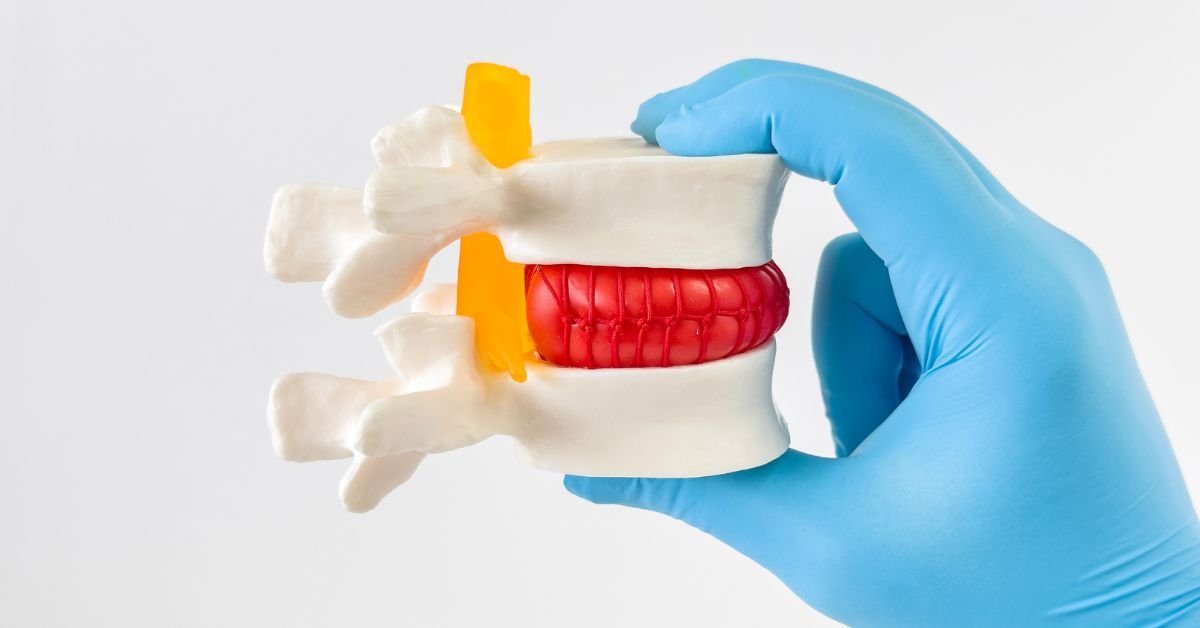
A herniated disc is one of the most common serious injuries a car accident produces, and it is one of the most frequently missed on initial evaluation. Patients walk out of the emergency room after a collision with a clean X-ray, told they have soft tissue strain and instructed to take painkillers. Weeks or months later, they are still in pain, symptoms have spread, and imaging finally reveals what has been true from the moment of impact: a disc in their spine ruptured under the force of the crash.
The gap between the accident and the correct diagnosis matters. It matters clinically, because early treatment for a disc injury is far more effective than late treatment. It matters legally, because the delay allows insurance companies to argue the disc problem was pre-existing or unrelated to the accident. And it matters financially, because a properly documented disc injury substantially changes what an auto injury claim is worth.
At Citrin Chiropractic Center in St. Louis, our physicians have treated post-accident disc injuries for over 45 years. This guide explains what actually happens to a spinal disc in a collision, the symptoms that indicate you may have one, why the diagnosis is so often delayed, what non-surgical treatment looks like, and how to protect your legal claim from the first visit forward.
What Happens to a Disc in a Car Accident
Your spinal discs are cushions of fibrous tissue and gel-like material that sit between each pair of vertebrae. They absorb shock, allow the spine to bend and twist, and maintain the proper spacing that keeps nerve roots free of pressure. Healthy discs can handle the forces of daily life indefinitely. What they are not built for is the sudden, extreme, multi-directional force of a car collision.
In a rear-end collision, your torso is thrown forward while your head snaps backward, producing enormous shear forces on the cervical discs in your neck. In a front-end collision, the reverse happens, and the lumbar discs in your lower back absorb the compressive load from your body being driven into the seatbelt. In a side-impact crash, the spine is subjected to lateral forces it is even less equipped to handle. In any of these scenarios, a disc can bulge, tear, or rupture entirely.
What happens next depends on the severity and location of the injury. A mild bulge may produce localized back or neck pain. A larger herniation, where the inner gel pushes through a tear in the outer wall, can press on nerve roots and produce radiating pain, numbness, weakness, or tingling in the arms or legs. A severe rupture can create the medical emergency of cauda equina syndrome, requiring immediate surgical intervention.
Most car-accident disc injuries fall in the middle of this spectrum, serious enough to cause significant symptoms, mild enough to be missed on initial evaluation, and responsive to non-surgical care when diagnosed early. Our clinic’s approach to these injuries, and how the office documents them, is detailed on the disc injury service page.
Herniated vs Bulging vs Slipped Disc: What’s the Difference?
Patients often use these terms interchangeably, and so, unfortunately, do many providers. The precise distinctions matter clinically because they determine treatment, and they matter legally because they affect claim value. Here is what each term actually means.
| Term | What It Means | Typical Symptoms |
|---|---|---|
| Bulging Disc | The disc extends beyond its normal boundary but the outer wall remains intact. Often a chronic finding that may become symptomatic after trauma. | Localized back or neck pain, stiffness, discomfort with prolonged sitting or standing. |
| Herniated Disc | The outer wall has torn and the inner gel material pushes through. Typically produces nerve compression. | Radiating pain, numbness, tingling, or weakness in the arms or legs depending on disc location. |
| Ruptured Disc | A severe herniation where disc material fragments have escaped into the spinal canal. Often requires imaging (MRI) to fully characterize. | Severe radiating pain, significant neurological symptoms, possible loss of function. |
| “Slipped Disc” | Not a medical term. Colloquial phrase used to describe any of the above. Discs do not actually “slip” out of place. | Highly variable, depends on what is actually happening at the disc. |
The takeaway: if your provider is telling you that you have “a slipped disc,” ask what they mean specifically. The precise diagnosis, bulge vs herniation vs rupture, and the exact spinal level (for example, L4-L5 or C5-C6), belongs in your medical record and in your claim.
Symptoms of a Herniated Disc After a Car Accident
Post-accident disc injuries follow characteristic symptom patterns based on where in the spine the injury occurred. Here are the presentations our clinic sees most often.
Cervical (Neck) Disc Herniation
Neck pain that worsens over 24 to 72 hours, headaches at the base of the skull, pain radiating into the shoulder and down the arm, numbness or tingling in the hands or fingers, weakness in the arms or grip strength. Often coexists with whiplash and chronic neck pain patterns.
Thoracic (Mid-Back) Disc Herniation
Less common than cervical or lumbar, but frequently missed. Sharp mid-back pain, pain wrapping around the ribcage, discomfort with deep breathing, occasional numbness in the abdomen or chest wall.
Lumbar (Lower Back) Disc Herniation
Lower back pain that worsens with sitting or bending, pain radiating from the buttock down the back of the leg (classic sciatica), numbness or tingling in the foot, weakness when lifting the foot or standing on the toes. Our back pain treatment approach is designed for exactly these injuries.
The critical pattern to notice: disc symptoms often do not appear immediately after the accident. In the first 24 hours, the body’s inflammatory response and adrenaline mask the underlying injury. Pain, numbness, and radiating symptoms typically build over the following days and can continue to worsen for weeks if left untreated.
The 72-hour rule: if you were in a car accident and you are experiencing any back or neck pain, numbness, tingling, or radiating symptoms in the following 72 hours, get evaluated. Waiting for symptoms to “get better on their own” is the single biggest reason disc injuries progress from treatable to chronic.
Why the Diagnosis Gets Missed
The emergency room is not designed to diagnose disc injuries. ER protocols focus on ruling out acute life-threatening trauma, fractures, internal bleeding, head injuries, and X-rays do not show discs, which are soft tissue structures. A patient can walk out of the ER with a clean X-ray and a normal exam while having a significant disc herniation that will not become clinically obvious for days or weeks.
Even at follow-up visits, disc injuries can be missed if the provider does not perform the specific orthopedic and neurological tests that reveal disc involvement. Straight leg raise testing, upper limb tension testing, dermatomal sensory examination, motor strength testing, and reflex evaluation, these are the tests that identify a disc problem long before an MRI is ordered. If your initial examination did not include these, the diagnosis may still be waiting to happen.
The other common reason for delayed diagnosis is patient behavior. Patients feel a manageable level of pain, take some ibuprofen, and try to wait it out. By the time they seek care, symptoms have progressed to radiating pain or numbness, which is often when the disc component is finally suspected. Early evaluation catches these injuries before they progress.
Why an MRI Alone Is Not Enough
MRI is the gold standard for imaging discs, and it is often ordered when a disc injury is suspected. But an MRI finding by itself does not tell the full clinical story, and it does not, on its own, establish the causal link between your accident and your current symptoms.
Many people, especially adults over 40, have disc bulges or minor herniations visible on MRI that are not clinically significant. If an insurance adjuster’s medical reviewer looks at your MRI and points to any pre-existing degeneration, that becomes the argument for reducing your claim. What defeats that argument is a clinical narrative, symptoms that began or worsened after the accident, correlating orthopedic and neurological findings on examination, and a physician’s opinion tying the current condition to the collision.
This is why the initial evaluation and ongoing documentation from your treating physician matters as much as the imaging itself. The personal injury documentation approach at our clinic is specifically designed to create this clinical narrative alongside any imaging findings, producing a medical-legal record that ties the accident to the injury.
Treatment Without Surgery at Citrin
Here is a fact most patients do not realize: the majority of car-accident disc injuries do not require surgery. Non-surgical care, when started early and delivered properly, resolves symptoms and restores function in the vast majority of cases. Surgery becomes necessary only when conservative care fails, when neurological deficits are progressing, or when a severe rupture is producing signs of cauda equina syndrome.
Our treatment approach combines several elements tailored to your specific injury.
Chiropractic Adjustment
Precise, targeted chiropractic adjustment restores proper motion to the vertebral segments above and below the injured disc, reducing the mechanical stress on the disc and creating the conditions for healing. Contrary to internet mythology, appropriate adjustment for disc injuries is safe and effective when performed by an experienced physician who has thoroughly examined the patient.
Non-Surgical Spinal Decompression
Non-surgical spinal decompression is one of the most effective tools available for herniated disc treatment. Using a specialized decompression table (the office is one of the few clinics in the St. Louis area offering this technology), we apply precisely controlled traction that creates negative pressure inside the disc, drawing the herniated material back into place and improving nutrient flow to the damaged tissue. For appropriate candidates, this can produce dramatic symptom relief without surgery.
Soft Tissue and Passive Therapy
Muscle guarding and fascial restriction develop around injured spinal segments. Targeted massage therapy and passive modalities address these secondary problems and accelerate recovery from the primary disc injury.
Active Rehabilitation
Once acute pain is controlled, progressive rehabilitation restores core stability, spinal mobility, and proper movement patterns. Without this phase, patients frequently re-injure themselves once they return to normal activity. The rehabilitation component is where long-term recovery is actually secured.
Your Legal Options: Insurance and Attorney Coordination
A car-accident disc injury is a serious injury, and the value of a properly documented disc claim substantially exceeds the value of a “soft tissue only” claim. Understanding your insurance and legal options from day one protects both your recovery and your recovery.
Insurance Coverage
Missouri auto insurance provides several layers of coverage that apply to chiropractic care after an accident: MedPay (medical payments coverage) pays medical bills up to the policy limit regardless of fault, the at-fault driver’s liability insurance covers medical expenses and pain and suffering when liability is established, and your own health insurance can cover care in some circumstances. The insurance coverage guide walks through each of these in detail.
For patients who cannot use insurance immediately, or who prefer to keep their auto claim intact until settlement, our office accepts medical liens and letters of protection. Treatment begins immediately with no upfront cost, and the lien is paid from your settlement at case resolution.
When You Need an Attorney
Disc injuries almost always benefit from attorney representation. The complexity of the medical case, the higher settlement values involved, and the near-certainty that the insurer will contest the claim all argue for professional legal help. If you do not have an attorney, our clinic maintains relationships with experienced personal injury attorneys in St. Louis and can refer you.
Our clinical documentation is designed to work in coordination with your attorney’s case preparation. Records requests are fulfilled promptly, itemized billing is provided in the format most useful for settlement demand packages, and our physicians are available for depositions and expert testimony when the case requires it.
Serving St. Louis and Surrounding Suburbs
Our office is located at 10035 Page Avenue in St. Louis and serves patients across the metro area. Regular disc injury patients drive to us from Florissant, Clayton, Maryland Heights, University City, Ferguson, Overland, Olivette, and beyond. Bilingual English and Spanish care is available at every visit, an important consideration for the diverse communities we serve. Same-day appointments are the standard for accident patients. Transportation assistance is available if getting to the office is a barrier.
Frequently Asked Questions
Can a car accident actually cause a herniated disc?
Yes. The forces involved in even moderate collisions are enough to bulge, tear, or rupture spinal discs. Rear-end collisions are particularly likely to produce cervical disc injuries because of the whipping motion of the neck, and front-end collisions frequently produce lumbar disc injuries from the compressive forces of the seatbelt restraint. Discs that were previously healthy can be injured, and discs with pre-existing degeneration can be pushed into acute symptoms by an accident.
How soon after a car accident can I tell if I have a herniated disc?
Sometimes immediately, more often within 24 to 72 hours as inflammation develops, and sometimes not for weeks if the injury is milder. Common early signs are back or neck pain that worsens rather than improves in the first few days, pain that radiates from the spine into the arms or legs, numbness or tingling in the extremities, and weakness in specific muscle groups. Any of these after an accident is a signal to get evaluated.
Does a herniated disc require surgery?
Usually not. The majority of car-accident disc injuries respond well to non-surgical care, including chiropractic adjustment, spinal decompression, soft tissue work, and rehabilitation. Surgery is reserved for cases where conservative care has failed after an adequate trial, where neurological deficits are progressing, or where imaging shows a severe rupture with signs of nerve compromise requiring intervention. Getting non-surgical care started early is the best way to avoid surgery.
Will my auto insurance cover chiropractic care for a herniated disc?
In most cases yes. MedPay coverage pays medical bills regardless of fault, personal injury protection covers medical and other losses in states that have it, and the at-fault driver’s liability insurance covers medical expenses when liability is established. For patients without immediate coverage, the office accepts medical liens so treatment can begin immediately and payment is deferred to settlement.
How long does treatment take for a herniated disc from a car accident?
It depends on the severity of the injury and how quickly treatment starts. Mild to moderate disc injuries typically respond over 8 to 16 weeks of care, with symptom improvement often noticeable within the first few weeks. More severe injuries or delayed treatment can extend the timeline. Our office tracks progress with functional outcome measures and adjusts the care plan based on how each patient is responding.
Do I need an attorney for a disc injury claim?
Almost always, yes. Disc injury claims are complex, the medical evidence is contested by insurers, and settlement values are substantially higher than routine soft tissue claims. An experienced personal injury attorney typically produces better outcomes than patients who negotiate directly with insurance companies. Our clinic can refer you to experienced attorneys if you do not already have one.
What if my MRI shows disc degeneration and the insurer says my injury is pre-existing?
This is one of the most common tactics used to reduce disc injury claims, and it is defeatable. Pre-existing degeneration on imaging does not mean pre-existing symptoms. If your symptoms began or substantially worsened after the accident, the accident is the legal cause of your current condition, even if the underlying anatomy was already compromised. This is where thorough clinical documentation from your treating physician becomes critical, records that establish what your function was before the accident and what changed after are the response to the pre-existing argument.