

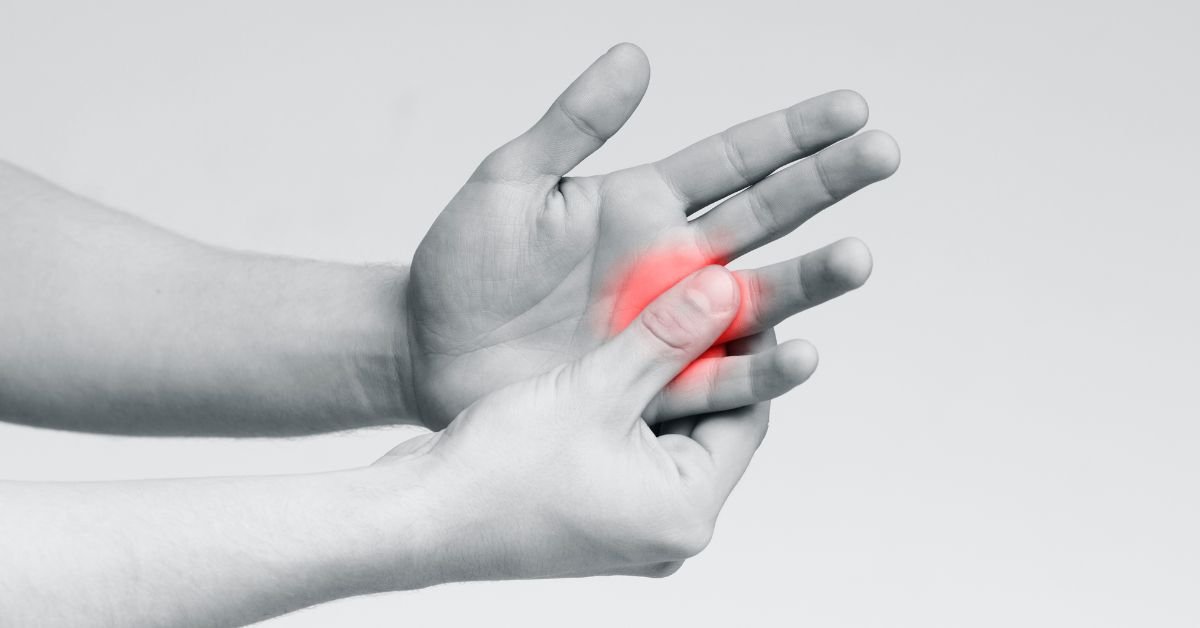
It starts as something easy to dismiss. A tingling in the toes after sitting too long. A faint burning sensation in the soles of the feet at night. Occasional numbness in the fingertips that comes and goes. Most people assume it is circulation, a pinched nerve that will resolve on its own, or just another sign of getting older.
When it does not resolve, when it spreads, intensifies, and begins interfering with sleep, balance, and daily function, the diagnosis is usually the same: peripheral neuropathy. And the conventional medical response is almost always medication: gabapentin, pregabalin, duloxetine, or amitriptyline. Drugs that reduce the perception of nerve pain without addressing the underlying nerve dysfunction.
At Citrin Chiropractic in St. Louis, we see neuropathy patients who have been on medication for years without meaningful improvement in their symptoms, and who did not know that non-surgical neuropathy treatment addressing the nerve dysfunction itself was available. Here is what peripheral neuropathy actually is, why it develops, and what the clinical evidence supports for treating it without surgery or indefinite medication dependence.
| Tingling or numbness in your hands or feet? Book a neuropathy consultation at Citrin Chiropractic.Call (314) 890-2400 or book your free consultation online. |
What Is Peripheral Neuropathy?
Peripheral neuropathy refers to damage or dysfunction of the peripheral nerves, the vast network of nerves that carry signals between the brain and spinal cord and the rest of the body. When these nerves are damaged, compressed, or deprived of adequate blood supply and oxygen, they malfunction in predictable ways.
The peripheral nervous system serves three functions: sensory (feeling), motor (movement), and autonomic (involuntary body functions). Neuropathy most commonly affects the sensory nerves first, which is why the initial symptoms are sensory, tingling, burning, numbness, and hypersensitivity, before progressing to motor involvement, which produces weakness, balance problems, and difficulty with fine motor tasks.
The term “peripheral” distinguishes this from central nervous system conditions affecting the brain and spinal cord. Most patients with neuropathy in the hands and feet have peripheral neuropathy, nerve damage occurring in the distal extremities, typically affecting the feet and lower legs before the hands and forearms in a characteristic stocking-glove distribution.
How common is it: Peripheral neuropathy affects approximately 20 million Americans. It is particularly prevalent in people over 55, those with diabetes, individuals who have sustained nerve-compressing injuries, and patients with chronic inflammatory conditions. In St. Louis, the combination of an older demographic population in many neighborhoods and a high regional prevalence of type 2 diabetes makes neuropathy one of the more common conditions we assess.
The Three Main Causes of Peripheral Neuropathy
Effective neuropathy treatment depends on identifying the underlying cause, because different causes respond to different interventions. Here are the three most common presentations we see at Citrin Chiropractic.
Cause 1: Diabetic Neuropathy
Diabetic neuropathy is the most common cause of peripheral neuropathy worldwide. Chronically elevated blood glucose damages the small blood vessels that supply oxygen to peripheral nerves, a process called microvascular disease. Without adequate blood supply, nerve fibers begin to degenerate from the distal ends inward, producing the classic stocking-glove pattern that starts in the toes and feet before progressing upward. Diabetic neuropathy affects approximately 50% of people with type 2 diabetes and is often present before the diabetes itself is diagnosed.
Treatment angle: blood glucose management is essential but not sufficient alone. Improving peripheral circulation, reducing nerve compression from spinal structures, and stimulating nerve regeneration through targeted clinical protocols can produce significant symptom improvement even in established diabetic neuropathy.
Cause 2: Post-Injury and Compression Neuropathy
Car accidents, falls, repetitive strain injuries, and surgical trauma can all damage peripheral nerves directly or create conditions, scar tissue, disc herniation, foraminal narrowing, that compress nerve roots as they exit the spine. Post-accident neuropathy is one of the most underrecognized delayed presentations from vehicle collisions: patients sustain a disc injury at the cervical or lumbar level, the herniated material compresses a nerve root, and the first clear symptom is tingling or numbness in the hand or foot rather than back or neck pain.
Treatment angle: identifying and relieving the compressive source is the primary goal. Spinal decompression for disc-related nerve compression, chiropractic adjustment to restore foraminal space, and soft tissue work to address scar tissue around compressed nerves address the mechanical driver of the neuropathy rather than just the symptoms.
Cause 3: Idiopathic Neuropathy
Idiopathic neuropathy, literally “neuropathy of unknown cause”, accounts for approximately 30% of all peripheral neuropathy cases. No underlying disease, injury, or toxic exposure can be identified, yet the nerve dysfunction is real and progressive. Idiopathic neuropathy tends to be slowly progressive and predominantly sensory, affecting older patients most commonly. The absence of an identifiable cause does not mean the condition is untreatable, it means the treatment focus shifts to improving nerve health, circulation, and neurological signaling through clinical means rather than addressing an underlying disease.
Treatment angle: nerve-glide protocols, nutritional support for nerve regeneration, chiropractic correction of any spinal contributors to nerve compression, and electrotherapy modalities to stimulate peripheral nerve function all have evidence supporting their use in idiopathic neuropathy.
Why Surgery Is Rarely the Answer for Peripheral Neuropathy
Surgery for peripheral neuropathy is indicated in a narrow set of circumstances, primarily when a specific, identifiable compression point can be surgically relieved, such as carpal tunnel release, ulnar nerve transposition, or decompression of a specific spinal level producing radiculopathy.
For the majority of patients with peripheral neuropathy in the hands and feet, particularly those with diabetic, idiopathic, or diffuse post-injury neuropathy, surgery offers no benefit because there is no discrete compression point to decompress. The damage is distributed across the peripheral nerve network, not localized to a single structure that can be surgically addressed.
Yet the conventional medical pathway for many neuropathy patients leads toward pain management medications and sometimes unnecessary surgical consultations, without adequately exploring the non-surgical interventions that address nerve health and function directly. This is where chiropractic and rehabilitative care fills a genuine gap in standard neuropathy management.
An important clarification: we do not recommend against surgery when it is the clinically appropriate intervention. When imaging confirms a specific disc herniation or foraminal stenosis compressing a nerve root at a clearly identified level, surgical decompression may be the right choice, and we say so directly. What we object to is surgery being pursued before conservative care has been given a genuine trial, particularly in the majority of neuropathy cases where the pathology is diffuse rather than focal.
What Actually Helps: The Citrin Neuropathy Protocol
Our approach to neuropathy treatment at Citrin Chiropractic is built around addressing four mechanisms simultaneously: relieving any spinal or peripheral nerve compression, improving circulation to the affected nerve tissue, stimulating nerve regeneration and functional recovery, and managing the contributing metabolic and postural factors that perpetuate the condition.
Spinal Assessment and Decompression
Every neuropathy patient at Citrin receives a thorough spinal assessment to identify any central contribution to peripheral nerve dysfunction. Disc herniations, foraminal narrowing, and spinal stenosis at the cervical or lumbar levels can compress nerve roots and produce or worsen peripheral neuropathy symptoms. When spinal compression is identified, non-surgical spinal decompression on our FDA-cleared table addresses the disc-level pathology directly, often producing rapid improvement in extremity symptoms when the compressive source is relieved. For patients whose tingling or numbness has a spinal contributor, decompression is frequently the single most impactful intervention.
Chiropractic Adjustment and Foraminal Opening
Vertebral subluxations and joint restrictions narrow the foraminal openings through which nerve roots exit the spinal canal. Chiropractic adjustment at the relevant spinal levels restores normal joint mechanics, opens the foramina, and reduces the mechanical irritation applied to affected nerve roots. For patients with cervical neuropathy producing hand tingling, or lumbar neuropathy producing foot symptoms, adjustment at the appropriate levels is often an important component of symptom resolution.
Nerve-Glide Rehabilitation Exercises
Nerve-glide exercises, also called neural mobilization or nerve flossing, are specific movements that mobilize peripheral nerves through their surrounding tissue tunnels, reducing adhesion between the nerve and adjacent structures, improving nerve excursion, and promoting neurodynamic health. These exercises are prescribed based on which peripheral nerves are affected and which movement patterns reproduce or relieve symptoms. They are performed daily at home between appointments and are a non-negotiable component of our neuropathy active rehabilitation protocol.
Electrotherapy and Neurostimulation
Low-level electrical stimulation modalities applied to the affected extremities stimulate peripheral nerve function, improve local blood flow, and promote the axonal regeneration processes that allow damaged nerves to recover. Electrotherapy is particularly effective in the early stages of neuropathy, before severe axonal loss has occurred, and in diabetic neuropathy where improving circulation to the distal nerves is a primary therapeutic goal.
Nutritional Support for Nerve Regeneration
Peripheral nerve regeneration requires specific nutritional cofactors that are commonly deficient in neuropathy patients. B12 deficiency is a direct cause of peripheral neuropathy and is extremely common in older patients, those on metformin, and people with dietary restrictions. Alpha-lipoic acid, a potent antioxidant, has significant clinical evidence for reducing neuropathy symptoms in diabetic patients. Benfotiamine, a fat-soluble B1 derivative, supports myelin sheath integrity. We assess nutritional contributors and provide targeted supplementation guidance as part of the overall neuropathy program.
The 6-Week Neuropathy Program at Citrin Chiropractic
For patients with established peripheral neuropathy, we offer a structured 6-week neuropathy treatment program that sequentially addresses each component of the condition. Progress is measured at each phase using standardized outcome assessments, and the program is adjusted based on how you respond.
Weeks 1-2 Assessment and Foundation: Comprehensive spinal and neurological evaluation, baseline symptom scoring, imaging review, nutritional assessment, initial spinal decompression or adjustment sessions, and nerve-glide exercise instruction.
Weeks 3-4 Active Intervention: Increased frequency of decompression and adjustment sessions, electrotherapy to affected extremities, nerve-glide exercise progression, nutritional supplementation initiated.
Weeks 5-6 Consolidation and Independence: Frequency tapers as improvements consolidate, home exercise program established, progress scored against baseline, maintenance plan determined based on response.
| What to expect from the program: Most patients with mild to moderate neuropathy notice measurable improvement in tingling, burning, and numbness within the first two to three weeks. Significant functional improvement, better balance, reduced nighttime symptoms, improved grip or foot sensitivity, typically develops through weeks four to six. Severe or long-standing neuropathy requires longer treatment and realistic expectations around the extent of recovery possible, which we discuss honestly at the initial evaluation. |
On insurance: Neuropathy treatment at Citrin is covered by most major health insurance plans as part of chiropractic benefits. For patients whose neuropathy resulted from a car accident or work injury, auto insurance MedPay/PIP and workers compensation typically apply. We verify your coverage before your first visit. Call (314) 890-2400 to confirm your benefits.
| Neuropathy in St. Louis? Call Citrin Chiropractic center, same-week consultations available.Call (314) 890-2400 or book your free consultation online. |
Frequently Asked Questions
Can chiropractic care help with neuropathy?
Yes, chiropractic care for peripheral neuropathy addresses two of the most common contributors to nerve dysfunction: spinal compression of nerve roots and joint restrictions that reduce foraminal space. When neuropathy has a spinal mechanical component, chiropractic adjustment and spinal decompression can produce significant symptom improvement. Combined with nerve-glide rehabilitation and electrotherapy, the outcomes for appropriate neuropathy patients are considerably better than medication management alone.
What does peripheral neuropathy feel like?
The most common symptoms of peripheral neuropathy in the hands and feet include tingling or pins-and-needles sensations, burning pain that is often worse at night, numbness or reduced sensation, hypersensitivity to light touch, weakness in the hands or feet, loss of balance or coordination, and the sensation of wearing gloves or socks when you are not. Symptoms typically begin in the toes and feet before spreading to the hands and forearms.
Is peripheral neuropathy permanent?
Whether neuropathy is reversible depends significantly on the cause, severity, and duration. Early-stage neuropathy with identifiable and treatable causes, spinal compression, nutritional deficiency, or controlled diabetes, often responds well to treatment with meaningful symptom improvement. Long-standing severe neuropathy with significant axonal loss has a more limited recovery potential, though symptom management and functional improvement remain achievable. This is why early intervention matters significantly.
Can neuropathy be caused by a car accident?
Yes, post-accident disc herniation compressing a cervical or lumbar nerve root is a recognized cause of peripheral neuropathy symptoms in the hands and feet. Patients sometimes present with tingling or numbness in an extremity weeks after an accident without connecting it to the collision. If you developed neuropathy-like symptoms after a car accident in St. Louis, a spinal evaluation at Citrin is an important first step. Auto insurance MedPay and PIP typically cover this evaluation and treatment.
What is the difference between neuropathy and sciatica?
Sciatica is a specific form of nerve pain from compression of the sciatic nerve or its roots, producing pain that radiates down the leg. Peripheral neuropathy is a broader category of nerve dysfunction affecting any peripheral nerve, including the sciatic, and can have many different causes. Sciatica typically has a clear mechanical source at the lumbar spine. Neuropathy may be metabolic, post-injury, or idiopathic. Some patients have both conditions simultaneously, which is why a thorough evaluation is essential.
How long does neuropathy treatment take?
Our structured 6-week neuropathy treatment program produces measurable improvement in most patients within the first two to three weeks, with significant functional gains by weeks four to six. Patients with more established neuropathy may require an extended program. Maintenance care after the initial program helps prevent symptom regression, particularly in diabetic neuropathy where the underlying metabolic driver is ongoing.