

Jaw pain is easy to dismiss as a dental problem, a stress problem, or something that will disappear on its own. Sometimes it does. But persistent pain around the jaw joint, clicking or popping, tight chewing muscles, headaches, or difficulty opening the mouth can be signs of a temporomandibular disorder, commonly called TMD or TMJ dysfunction.
The temporomandibular joint sits just in front of each ear and connects the lower jaw to the skull. It works together with the chewing muscles, upper neck, and surrounding soft tissues every time you speak, chew, yawn, or swallow. Because these structures are mechanically connected, some patients with jaw pain also have neck stiffness, muscle tension, postural strain, or headaches. In those cases, conservative musculoskeletal care may be one part of a broader treatment plan.
At Citrin Chiropractic Center in St. Louis, the goal is not to assume every jaw complaint is a chiropractic problem. The first step is determining whether the symptoms appear musculoskeletal and whether chiropractic care, soft-tissue work, postural rehabilitation, or referral to a dentist or other specialist is the more appropriate next step.
What Is TMJ Dysfunction?
TMJ is technically the name of the joint itself: the temporomandibular joint. TMD is the broader term for disorders that affect the joint, chewing muscles, and related structures. Patients often use “TMJ” to describe the symptoms, so both terms are commonly heard in everyday conversation.
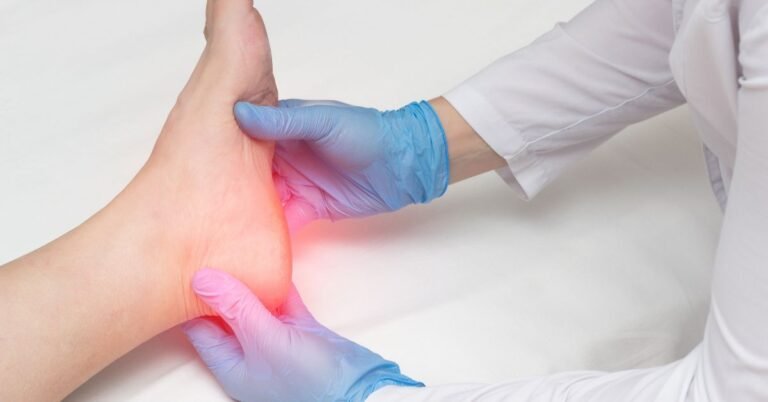
Common TMD symptoms can include jaw pain, facial soreness, clicking or popping with movement, headaches, ear-area discomfort, tightness in the chewing muscles, and limited or uncomfortable mouth opening. Some people notice symptoms mostly when chewing, while others feel tension at rest or after long periods of clenching.
Important distinction: Jaw pain can come from several different sources. Muscular and mechanical TMD may respond to conservative care, but dental infections, damaged teeth, inflammatory joint disease, trauma, or other conditions may require dental or medical treatment instead.
Why the Neck and Jaw Are Often Discussed Together
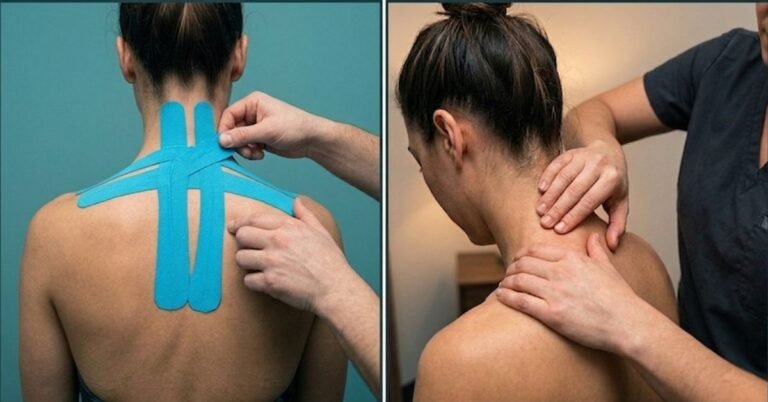
The jaw does not operate independently of the rest of the head and neck. The muscles that stabilize the head, upper cervical spine, and shoulder girdle influence posture and movement patterns around the jaw. At the same time, persistent jaw clenching can increase tension in muscles around the face and neck.
This does not mean that a neck adjustment “realigns the jaw” or cures TMD. A more realistic clinical goal is to identify whether neck restriction, muscular trigger points, posture, or movement patterns are contributing to the overall symptom picture. When they are, addressing those factors may help reduce mechanical stress and improve comfort.
Citrin’s guide to chronic neck pain and posture explains how prolonged head-forward posture can increase load on cervical muscles. For some people with jaw symptoms, the same postural habits may coexist with clenching, upper-neck tightness, and headache patterns.
How Chiropractic Adjustments May Help Some TMJ Patients
Evidence on TMD supports a conservative, multimodal approach rather than relying on one procedure. Manual therapy, therapist-assisted mobilization, supervised postural exercise, jaw exercise, stretching, and trigger-point work are among the non-surgical strategies that may help selected patients with chronic TMD pain.
Chiropractic care can fit within that conservative framework when the examination identifies relevant neck or upper-back dysfunction. A chiropractic adjustment may be used to improve mobility in restricted spinal segments and reduce associated musculoskeletal stiffness. The treatment is directed at the areas actually found to be restricted; it is not a blanket treatment applied to every person with jaw pain.
For patients with acute pain, significant muscle guarding, or a preference for gentler treatment, Citrin offers multiple chiropractic techniques, including lower-force approaches. The choice of technique depends on examination findings, comfort level, and clinical appropriateness.
Manual Therapy and Trigger Point Work
Jaw pain often involves more than the joint itself. Tender points can develop in the chewing muscles, temples, upper trapezius, and other muscles of the head and neck. Manual trigger-point therapy is one of the conservative interventions supported in current chronic TMD guidance.
Citrin offers therapeutic massage and trigger point therapy as part of its broader musculoskeletal services. When appropriate, soft-tissue treatment may be combined with spinal care and home exercises rather than used as a stand-alone solution.
A common TMJ treatment mistake
Focusing only on the place that hurts. Jaw symptoms can involve the joint, chewing muscles, neck, posture, stress-related clenching, or a dental problem. A good evaluation looks for the contributing factors before deciding which type of care makes sense.
What Chiropractic Care Cannot Do for TMJ
Chiropractic treatment is not appropriate for every cause of jaw pain. If a tooth infection, broken tooth, significant bite problem, inflammatory disease, dislocation, fracture, or another dental or medical condition is suspected, the patient needs the appropriate dental or medical evaluation.
Likewise, persistent jaw locking, major swelling, fever, facial trauma, or rapidly worsening symptoms should not be treated as routine mechanical jaw tension. The correct provider depends on the cause.
This is why the goal of a first visit should be to identify whether the complaint falls within a chiropractor’s musculoskeletal scope and whether co-management or referral is needed.
Jaw Pain Symptoms and the Most Appropriate Starting Point
| Symptom Pattern | Possible Next Step | Why |
|---|---|---|
| Jaw pain with neck stiffness and muscle tension | Musculoskeletal evaluation may be useful | Neck and soft-tissue factors may be contributing |
| Clicking or popping without severe pain | Conservative assessment | Joint mechanics and muscle function can be evaluated |
| Jaw pain with a damaged or painful tooth | Dentist | Dental causes must be ruled out |
| Jaw locking or inability to open normally | Prompt dental or medical evaluation | May require TMJ-specific diagnosis |
| Jaw pain after significant facial trauma | Urgent medical or dental evaluation | Fracture or joint injury may need imaging and specialist care |
| Chronic jaw pain with posture or headache complaints | Multimodal conservative care may be appropriate | Exercise, manual care, and posture may all matter |
What an Evaluation at Citrin May Include
A first chiropractic visit at Citrin typically begins with a history and physical examination. The doctor may assess neck range of motion, posture, muscle tenderness, neurological findings, and other musculoskeletal factors related to the complaint. Imaging is used when clinically necessary rather than simply because jaw pain is present.
The clinic’s first chiropractic visit guide explains the process in more detail. According to Citrin, first visits generally include a comprehensive evaluation and any necessary X-rays, followed by a treatment plan based on the findings.
For a jaw-pain patient, that plan may involve neck-focused chiropractic care, soft-tissue treatment, postural advice, stretching, or referral to a dentist, oral specialist, or physician when the presentation points outside the chiropractic scope.
Posture, Clenching, and Daily Habits
Many chronic jaw-pain patients have habits that repeatedly load the area. Long hours at a screen can encourage forward-head posture. Stress can increase clenching or grinding. Chewing gum for long periods, biting nails, or holding the phone between the head and shoulder can add further strain.
Conservative treatment works best when those daily factors are addressed along with hands-on care. A treatment plan may therefore include simple changes to workstation setup, posture awareness, jaw relaxation, and exercises rather than relying only on adjustments.
Can Chiropractic Help Headaches Related to Jaw Tension?
Some patients with TMD report headaches along with jaw and neck tension. The relationship is not identical for every person, and headache can have many causes. When an evaluation suggests that cervical joint restriction and muscular tension are part of the pattern, treating those musculoskeletal contributors may be reasonable.
However, a new severe headache, headache after significant trauma, neurological symptoms, fever, or other concerning signs deserves medical evaluation. Chiropractic care should not be used to delay assessment of a potentially serious headache.
Why a Multimodal Approach Often Makes More Sense
Current TMD research does not support the idea that one treatment works for everyone. Conservative care is commonly built around movement, exercise, education, manual therapy, and symptom-specific strategies. Some patients also benefit from dental management, behavioral approaches for clenching, or other professional care.
That is why Citrin’s broader treatment model can be useful for musculoskeletal cases: spinal adjustments, massage therapy, and trigger-point techniques can be coordinated rather than treated as unrelated services.
Serving St. Louis and Surrounding Communities
Citrin Chiropractic Center is located at 10035 Page Avenue in St. Louis and serves patients from across the metro, including Overland, Maryland Heights, Creve Coeur, University City, Clayton, Ferguson, Hazelwood, Florissant, Olivette, St. Charles, and surrounding communities. The office provides bilingual English and Spanish care and offers same-day appointments when available.
Frequently Asked Questions
Can a chiropractor treat TMJ?
A chiropractor may help with musculoskeletal factors that accompany some TMD cases, particularly neck restriction, posture, and muscle tension. Chiropractic care is not appropriate for every cause of jaw pain, and dental or medical referral may be necessary depending on the findings.
Can neck problems contribute to jaw pain?
Neck and jaw symptoms can coexist because the cervical muscles, posture, and jaw movement system interact. That does not prove the neck is the cause of every TMJ problem, but it is one reason a musculoskeletal evaluation may look beyond the jaw itself.
Do chiropractic adjustments directly move the jaw back into place?
That is not an appropriate way to describe routine TMD care. When chiropractic is used, the focus is typically on relevant musculoskeletal findings such as neck mobility, posture, and associated muscle tension rather than claiming to reposition the jaw joint.
What treatments have evidence for chronic TMD pain?
Current clinical guidance supports several conservative approaches, including therapist-assisted mobilization, manual trigger-point therapy, supervised postural exercise, jaw exercises, stretching, education, and selected manipulation. The best combination depends on the type and cause of the TMD.
When should I see a dentist for jaw pain?
See a dentist when symptoms may be related to a painful or damaged tooth, bite-related problem, dental infection, grinding-related tooth damage, or when TMJ-specific dental assessment is needed. Jaw locking, major swelling, or persistent unexplained symptoms also deserve appropriate professional evaluation.
Can massage therapy help jaw tension?
Manual and trigger-point therapy can be useful for some chronic TMD patients, particularly when muscle tenderness and tension are part of the problem. At Citrin, massage and trigger-point techniques can be integrated with other musculoskeletal care when appropriate.
Does Citrin offer same-day appointments?
Yes. Citrin currently advertises same-day appointment availability, particularly for new and accident patients. Call (314) 890-2400 to confirm the current schedule.