
After a hard training session, a tough game, or a nagging sports injury, the default response for most athletes is the same: ibuprofen, ice, and rest. It works well enough in the short term. But for athletes who want to recover faster, perform better, and stay in the game longer, there is a more effective approach – one that actually addresses the tissue damage instead of temporarily masking it.
Deep tissue massage for athletes is not a luxury. It is a clinical tool that accelerates muscle recovery, breaks up the adhesions and scar tissue that impair performance, and keeps the musculoskeletal system functioning at the level athletic demands require.
At Citrin Chiropractic in St. Louis, our licensed massage therapist Tanya – a Missouri College graduate with over 20 years of clinical experience – works specifically with athletes and active patients to design recovery sessions that match what the body actually needs after sport. Here is what sports recovery massage does, why it outperforms painkillers for long-term athletic health, and what to expect when you book a session.
| St. Louis athlete dealing with muscle soreness or a sports injury? Book a recovery session today.Call (314) 890-2400 or book your free consultation online. |
Why Painkillers Are the Wrong Tool for Athletic Recovery
NSAIDs like ibuprofen and naproxen reduce pain and inflammation in the short term – and for acute injury management, that has its place. But for the recurring muscle fatigue, adhesion buildup, and cumulative tissue stress that define athletic training, anti-inflammatories work against the recovery process rather than supporting it.
Inflammation is not simply a symptom to be suppressed. It is the first phase of the muscle repair cycle – the mechanism by which the body recruits the cells and proteins needed to rebuild damaged tissue. Chronically suppressing that inflammatory response with NSAIDs delays tissue repair, reduces the training adaptation signal, and over time can impair tendon healing.
The problem with routine NSAID use for athletes: regular ibuprofen use has been shown to blunt the satellite cell activation that drives muscle hypertrophy – meaning the adaptation signal from your training is chemically dampened. You train hard, then undermine the gain. Deep tissue massage, by contrast, supports the repair cycle by improving circulation, reducing mechanical restriction, and promoting waste product clearance without interrupting the inflammatory signaling the body needs.
What Deep Tissue Massage Actually Does to Muscle Tissue
When most people picture massage, they imagine light pressure and relaxation. Deep tissue massage for athletes is a fundamentally different intervention. The therapist works through the superficial muscle layers to reach the deeper structures where the real problems accumulate – the chronic tension, micro-tear adhesions, and fascial restrictions that standard stretching and foam rolling cannot reach.
Here is what is happening at the tissue level during a well-executed deep tissue session:
- Mechanical breakdown of adhesions – the fibrous cross-links that form between muscle fibers and fascial layers after repeated micro-trauma, limiting range of motion and force transmission
- Stimulation of the parasympathetic nervous system – shifting the body from the sympathetic activation of training stress into the recovery state where repair actually occurs
- Increased local blood flow – the mechanical pressure and release cycle drives oxygenated blood into the worked tissue and clears metabolic waste products including lactic acid
- Reduction of muscle spindle hyperactivity – chronically contracted muscles have overactive spindle cells that perpetuate the tension pattern; sustained deep pressure deactivates them
- Myofascial release – the fascial web that connects every muscle in the body accumulates restriction from training load and dehydration; deep tissue work restores fascial mobility and reduces referred pain patterns
Dr. Rutherford’s note: As a former competitive baseball player, I have experienced both ends of this firsthand. The shoulder and hip restrictions that build up over a season do not respond to rest alone – they require manual intervention to clear. Deep tissue work is what allows athletes to continue performing at a high level rather than accumulating restriction year after year until something gives way.
Common Athletic Tension Patterns We Treat
Different sports create different muscle tension patterns in athletes. Tanya’s sessions are built around identifying the specific pattern your sport creates and addressing it systematically. Here are the most common presentations we see at Citrin:
Runners and Cyclists
Chronic hip flexor tightness from the repetitive hip flexion-extension pattern, IT band syndrome from iliotibial tract adhesion, calf and Achilles tension from repeated plantar loading, and piriformis tightness that can refer pain into the hamstring and gluteal region. In cyclists, the sustained forward-flexed position creates thoracic extension restriction and trapezius overload that compounds over long rides.
Primary focus: hip flexor and IT band release, calf-Achilles chain work, thoracic mobility restoration.
Overhead Athletes (Baseball, Tennis, Swimming, Volleyball)
The rotator cuff, posterior capsule, and biceps tendon accumulate extraordinary load from repeated overhead mechanics. Posterior shoulder tightness – the hallmark of overhead athletes – is a primary contributor to shoulder impingement and labral stress. The cervical spine and thoracic outlet also experience restriction that can produce referred pain and tingling into the arm.
Primary focus: posterior rotator cuff and capsule release, thoracic outlet decompression, cervical mobility work, pec minor lengthening.
Contact Sport Athletes (Football, Soccer, Martial Arts)
Impact forces from contact sports create widespread soft tissue bruising, muscle guarding patterns, and fascial restriction that is often distributed across the body rather than localized to one region. Cervical and thoracic paraspinal guarding is nearly universal, with frequent hip and shoulder involvement from repeated impact absorption.
Primary focus: full-body fascial release, paraspinal guarding reduction, sacroiliac mobility restoration, targeted bruise area work using appropriate techniques.
Weekend Warriors and Recreational Athletes
The recreational athlete presents a different challenge: deconditioning in certain muscle groups combined with sudden high-demand loading. The weekend golfer, recreational basketball player, or amateur triathlete frequently has chronic postural restrictions from desk work layered on top of acute sports-loading demands. The tissue does not have the adaptive capacity of a trained athlete, making thorough recovery work more important, not less.
Primary focus: postural decompression, thoracic and cervical mobility, sport-specific loading site treatment.
Why Athletes Combine Deep Tissue Massage With Chiropractic Adjustment
The most effective recovery protocol for athletes integrates deep tissue massage and chiropractic care – not as separate services but as a coordinated treatment plan. At Citrin Chiropractic, Tanya and our doctors work from the same clinical picture for every athlete patient.
Here is why the combination produces better outcomes than either alone:
- Deep tissue massage releases the soft tissue tension and fascial restriction that holds joints in a mechanically disadvantaged position – making chiropractic adjustment more effective and longer-lasting
- Chiropractic adjustment corrects the joint mechanics that contribute to uneven muscle loading – reducing the mechanical driver of the tension patterns massage addresses
- Without soft tissue work, joint adjustments often regress quickly because the surrounding musculature pulls the joint back into dysfunction within days
- Without joint correction, soft tissue work addresses the symptom but not the structural reason the tissue keeps becoming restricted
- Active rehabilitation prescription from our doctors gives athletes the exercise tools to maintain the gains from both massage and adjustment between sessions
In practice: a typical athlete session at Citrin might include 30 to 45 minutes of deep tissue work from Tanya targeting the sport-specific tension pattern, followed by a chiropractic adjustment from Dr. Rutherford to address the joint mechanics involved, and a brief active rehabilitation exercise prescription for the athlete to use between appointments. This sequence – soft tissue, then joint – produces outcomes that neither alone consistently matches.
What to Expect at a Sports Recovery Session
Booking a sports recovery massage in St. Louis at Citrin is straightforward. Here is what the process looks like:
01 Intake and Sport History
Before your first session, Tanya reviews your sport, training load, injury history, and current complaints. This context determines which muscle groups to prioritize, what pressure levels are appropriate, and which techniques will be most effective for your specific pattern. A session without this context is general relaxation work – Tanya’s sessions are targeted clinical recovery.
02 The Session Itself
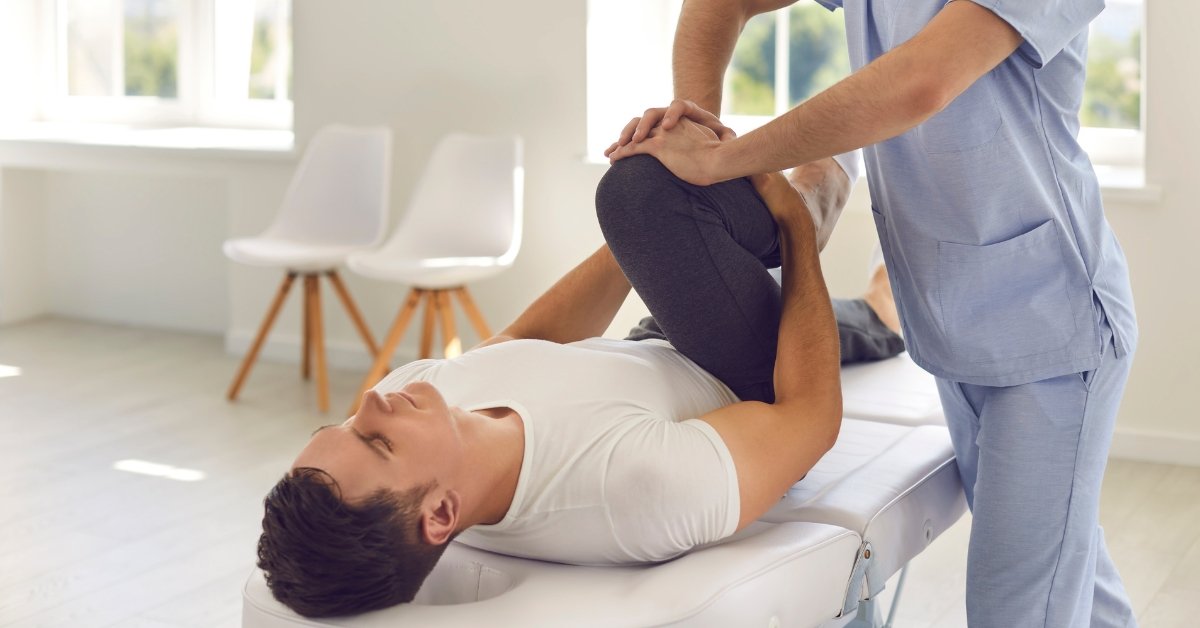
Expect firm, intentional pressure – not the lighter touch of a relaxation massage. Deep tissue work on athletic tissue can be intense in areas of significant restriction, but it should never feel like damage. Tanya communicates throughout to ensure pressure stays in the therapeutic range. Sessions typically run 45 to 60 minutes depending on the treatment focus.
03 Post-Session Response
After a deep tissue session, mild soreness in the worked areas is normal and typically resolves within 24 to 48 hours – similar to post-training DOMS. Hydration accelerates clearance of the metabolic waste products released during the session. Most athletes report significantly improved range of motion and reduced tightness within 24 hours of treatment.
04 Session Frequency
For in-season athletes managing an active training load, one session per week or every two weeks maintains tissue quality and prevents restriction from building into injury. For injury recovery or pre-competition preparation, frequency may be higher in the short term. Tanya and our doctors advise on the right schedule based on your training demands and recovery goals.
Booking, Pricing, and Insurance
Deep tissue massage at Citrin Chiropractic is available as part of your chiropractic care plan or as a standalone clinical service. Sports recovery massage sessions qualify for HSA and FSA spending as a medical expense. For athletes whose injuries resulted from a car accident or workplace incident, massage therapy is typically covered under MedPay, PIP, or workers compensation – we verify and bill directly.
To book, call (314) 890-2400 or request massage therapy at your next appointment. New athletes will complete a brief intake with one of our doctors so Tanya has full clinical context before your first session. Existing patients can add massage to any visit with advance notice.
| A note from Tanya: Athletes carry a lot in their tissue – season after season of accumulated restriction that never fully clears. The goal of every session is not just to reduce what hurts today, but to restore the tissue quality that keeps athletes performing well and staying out of the injury cycle. That is the difference between recovery work and relaxation work. |
| St. Louis athletes ready to recover faster and perform better? Book your session at Citrin today.Call (314) 890-2400 or book your free consultation online. |
Frequently Asked Questions
Is deep tissue massage good for athletes?
Yes – deep tissue massage is one of the most effective recovery tools available to athletes. It addresses the adhesion buildup, fascial restriction, and chronic muscle tension that accumulate from training load, improves blood flow to worked tissue, and accelerates the clearance of metabolic waste. It is a clinical intervention, not just relaxation.
How is sports massage different from a regular massage?
Sports massage – what we call athlete massage therapy – is goal-directed and sport-specific. It focuses on the tension patterns your particular sport creates, uses clinical techniques like myofascial release and trigger point therapy alongside deep tissue work, and integrates with your overall training and recovery plan. A regular relaxation massage uses lighter pressure and follows a general protocol regardless of your athletic demands.
How often should athletes get deep tissue massage?
For athletes in active training, sports recovery massage once every one to two weeks is typically sufficient to manage tissue quality and prevent restriction from accumulating into injury. During intense training blocks or injury recovery, more frequent sessions may be appropriate. Tanya will advise on the right frequency based on your sport, training load, and goals.
Will deep tissue massage make me sore?
Mild soreness in the worked areas is normal after a deep tissue session for athletes and typically resolves within 24 to 48 hours. This is not damage – it is the tissue responding to mechanical intervention that breaks up adhesions and stimulates repair. Staying well hydrated after your session significantly reduces post-treatment soreness.
Can deep tissue massage help with a specific sports injury?
Yes – many common sports injuries respond well to clinical massage therapy. Rotator cuff strains, IT band syndrome, hamstring injuries, plantar fasciitis, and cervical tension from contact sports all have significant soft tissue components that deep tissue massage addresses directly. For injuries involving joint mechanics, we integrate massage with chiropractic adjustment for the most complete outcome.
Does insurance cover sports massage at Citrin?
Sports massage qualifies for HSA and FSA spending when it is part of a medical treatment plan. For athletes whose injuries resulted from a car accident or work incident, massage therapy for sports injuries is typically covered under MedPay, PIP, or workers compensation. Health insurance coverage varies by plan. We verify your coverage before your first session and advise on the most cost-effective billing pathway.